Fishing the Galveston piers, and where to eat after
Speckled trout, redfish, and flounder off the Seawall piers an hour from downtown, open all night most of the year, plus the free-fishing lake 17 miles from the office. A guest guide from Smells Like Fish, ending at the three Kemah tables on the road home.
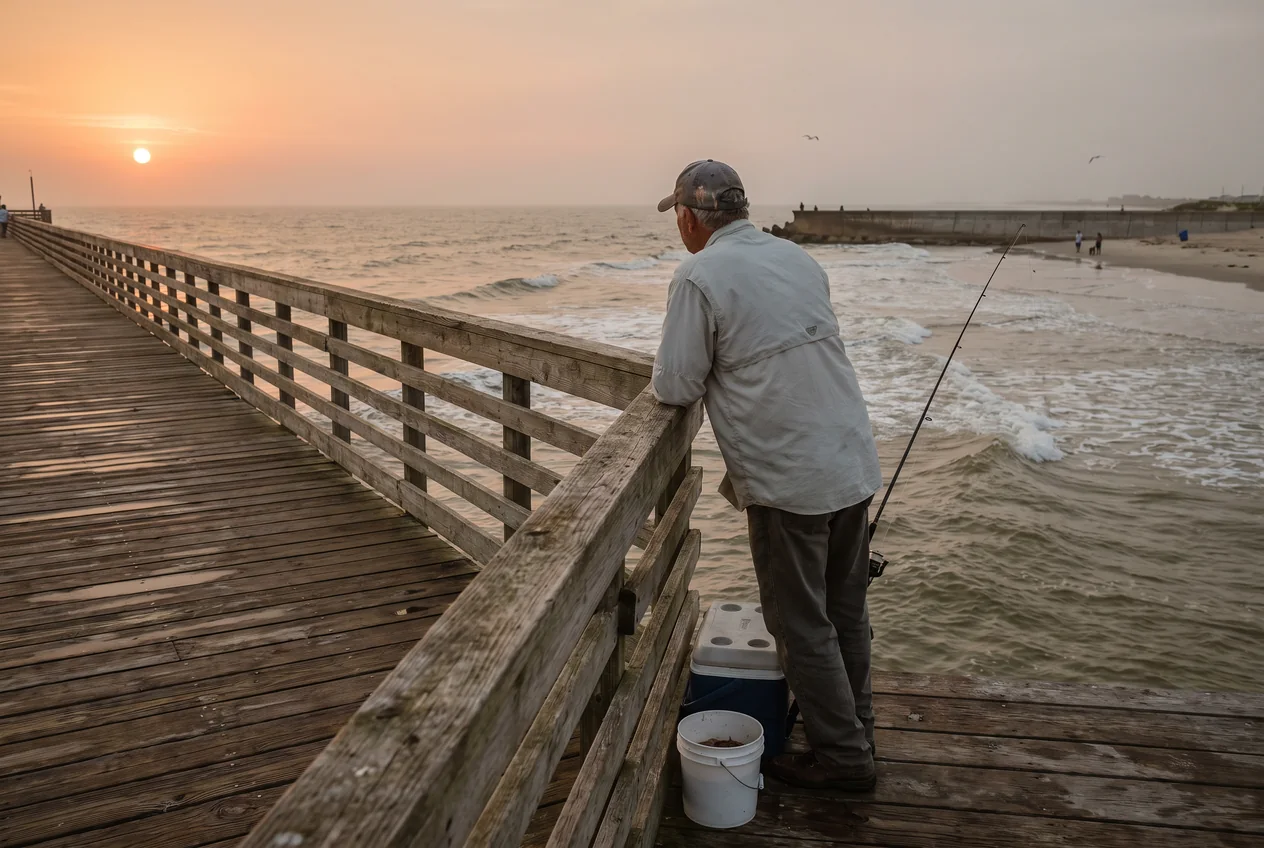
Fifty miles from downtown there is a wooden pier that runs out over the Gulf, stays open all night most of the year, and puts speckled trout, redfish, and flounder in front of anyone with $12 and a rod. Houston is a saltwater town with three catfish reservoirs on its north side, and the two halves rarely meet. This is the saltwater half of a day out of the city, with the freshwater side noted for the people who would rather not drive. The eating half is at the end, in Kemah, on the road home.
I write the guides on Smells Like Fish, a bait and tackle site, and I am a guest here. Top of Houston asked for the water. They supplied the tables.
The day, in order
Leave downtown in the dark. The piers are open around the clock most of the year, the bait shop on the pier sells live shrimp, and the trout bite is a first-light business on the Gulf side. Fish the morning off the 61st Street pier or the 91st Street pier, whichever has the shorter rail crowd, and quit when the sun gets high. Then drive back up the bay on Highway 146, 25 miles and half an hour, to Kemah for lunch on the water. If you still have the itch, Sylvan Beach in La Porte is nine miles past Kemah, and its 1,100-foot bay pier was rebuilt after Hurricane Beryl and reopened in August 2026. Dinner is back in Kemah, 32 miles and 44 minutes from downtown, before the drive home.
What is in the water
Speckled trout are the reason the piers exist. The Galveston tourism office’s pier page says routine catches at the Seawall piers include croaker, speckled trout, sheepshead, sand trout, gafftop, and bull reds, and that Seawolf Park on Pelican Island “offers some of the best flounder fishing on the upper Texas coast.” Texas Parks and Wildlife’s limit for the licence year that started September 1, 2026 is tight: three trout a day, 15 to 20 inches, with one over 28 inches allowed on the tag that comes with the saltwater package. Redfish are three a day at 20 to 28 inches. Flounder are five a day at 15 inches, and the fishery is closed from November 1 through December 14.
The freshwater side, for the people who would rather go north: Sheldon Lake State Park is 17 miles from downtown, free to enter, and needs no licence at all, and TPWD calls it a good catfish and crappie lake with the best bank fishing at the Garrett Road crossing. Lake Houston, 21 miles, is blue catfish water with free ramps at Deussen Park. Lake Conroe, 48 miles, is rated Excellent for channel catfish by TPWD, which is the fish my site was built on. And from late November to early March the state stocks rainbow trout into neighborhood ponds in Katy, Missouri City, Pasadena, and Spring, every two to four weeks, so a Houston kid can catch a trout without leaving the suburbs.
Where to fish from shore
- 61st Street Fishing Pier, 50 miles: $12 adults, $6 kids, rod rental and bait on the pier, open 24 hours except in winter.
- Galveston Fishing Pier, 91st Street, 52 miles: $16 adults, open 24 hours weather permitting, three rods each.
- Seawolf Park, Pelican Island, 54 miles: $6 a car and a $9 fishing band for a nonresident adult, open 24 hours, the flounder spot.
- Texas City Dike, 44 miles: five miles of rock into the bay, free to walk on, $10 a car on summer weekends and free Monday through Thursday and all winter.
- Sylvan Beach Park, La Porte, 27 miles: the closest bay pier to downtown, rebuilt and reopened August 24, 2026, pay to fish, boat ramp beside it.
- Sheldon Lake State Park, 17 miles: free, no licence, catfish and crappie from the bank at Garrett Road.
Licences, fees, and the rule that saves Houston families money
Anyone 17 or older needs a Texas licence, and the piers say so at the gate. The one-day all-water licence is $11 for a resident and $16 for a nonresident, covers fresh and salt, needs no endorsement, and is sold online through the Texas License Connection with a $5 fee, or at about 1,700 stores. An annual resident all-water package is $40, freshwater alone $30. The rule that saves money is the state-park exemption: TPWD says “a fishing license and endorsement are not required if fishing on state park property,” which covers Sheldon Lake, Galveston Island State Park ($5 entry, bay side and beach side), Brazos Bend ($7), and Lake Livingston State Park ($6). From a park pier it is pole-and-line only, two poles per person, and the bag limits still apply. Under 17 fishes free everywhere.
The gear side
Which cork and hook for live shrimp off a pier, how to keep shrimp alive in August, which punch bait for Conroe channel cats, why a redfish rig is a catfish rig with a saltwater hook on it: that is my beat, and it does not belong on a restaurant site. The full Houston fishing guide on Smells Like Fish has the map of all 13 spots with drive times from downtown, live bay water temperature and Trinity River flow, every pier fee, the licence links, the ramp table, and the tackle list.
Where to eat after
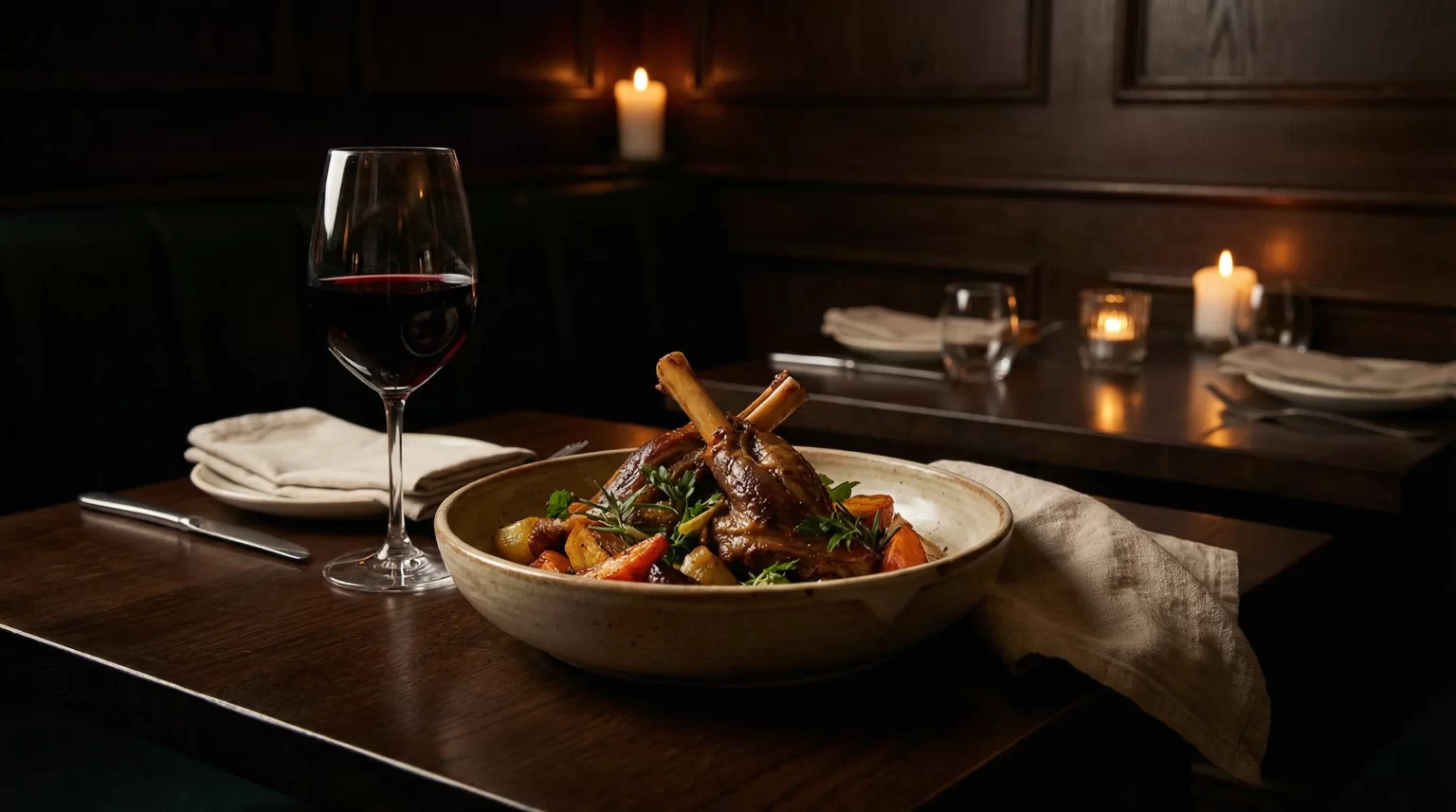
Highway 146 runs straight from the island back up the west side of the bay, and Kemah is the town it runs through with the tables on the water. These three are on the Top of Houston Kemah list. The scores are theirs, not mine.
Sources. Texas Parks and Wildlife Department, fishing licences and packages, online sales, free fishing opportunities, saltwater bag and length limits for seatrout, drum, and flounder (2026-27), Sheldon Lake, Lake Houston, and Lake Conroe water pages, and the Neighborhood Fishin’ program; Galveston.com fishing piers page; Galveston Fishing Pier and 61st Street Fishing Pier published prices; City of Texas City dike fee FAQ; City of La Porte and KHOU on the Sylvan Beach pier. Drive distances computed on OpenStreetMap roads from downtown Houston.
Ray Dodson writes for Smells Like Fish. Ray is the pen name of that site's research desk: every recommendation is built from documented angler consensus, state fish and wildlife guidance, and published testing, with sources named in every article. This piece was written for Top of Houston.